
Blog
How to Grow Spiritually: A Step-by-Step Guide to Christian Spiritual Growth

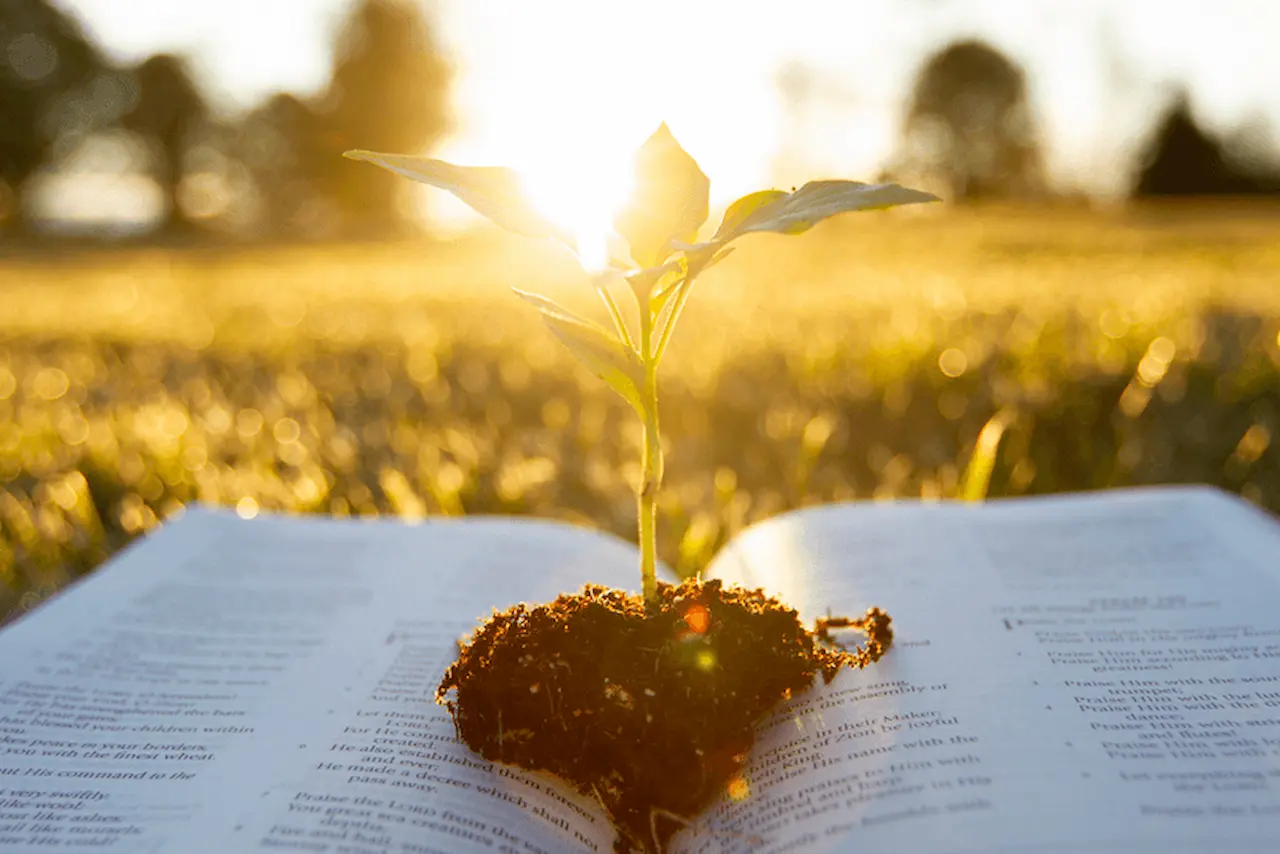
Every Christian desires a closer relationship with God, but many believers wonder what spiritual growth actually looks like and how to achieve it. Spiritual growth is not something that happens automatically after accepting Christ. It is a lifelong journey of becoming more like Jesus, strengthening your faith, and developing a deeper understanding of God’s purpose for your life.
Just as physical growth requires nourishment, exercise, and consistency, spiritual growth requires intentional effort. Through prayer, Bible study, worship, obedience, and fellowship with other believers, Christians can mature in their faith and experience a more meaningful relationship with God.
The encouraging truth is that spiritual growth is available to every believer, regardless of age, background, or how long they have been following Christ. God desires His children to grow spiritually and has provided everything they need to do so.
This step-by-step guide will help you understand what Christian spiritual growth means, why it matters, and the practical habits that can help you develop a stronger and more vibrant faith.
What Is Christian Spiritual Growth?
Christian spiritual growth is the process of becoming more like Jesus Christ in your thoughts, attitudes, actions, and character.
It involves more than gaining biblical knowledge. True spiritual growth transforms the heart and influences how believers live their daily lives.
As Christians grow spiritually, they begin to:
- Trust God more deeply
- Respond to challenges with faith
- Develop stronger character
- Show greater love toward others
- Seek God’s guidance more consistently
- Live according to biblical principles
Spiritual growth is not about perfection. It is about progress and allowing God to continually shape your life.
Why Spiritual Growth Is Important
Many people focus on physical, financial, or career growth but neglect their spiritual lives. However, spiritual growth affects every other area of life.
A growing relationship with God provides:
- Greater peace during difficult times
- Stronger faith during uncertainty
- Better decision-making
- Increased wisdom and discernment
- A deeper sense of purpose
- Greater emotional and spiritual stability
Without spiritual growth, believers can become stagnant, discouraged, or easily influenced by worldly distractions. Growth helps Christians remain rooted in God’s truth and prepared for life’s challenges.
Step 1: Develop a Consistent Prayer Life
Prayer is the foundation of spiritual growth. It is through prayer that believers communicate with God, seek His guidance, and strengthen their relationship with Him.
Many Christians struggle with consistency in prayer, but growth begins when prayer becomes a daily priority rather than an occasional activity.
A healthy prayer life includes:
- Worship and praise
- Thanksgiving
- Confession
- Personal requests
- Intercession for others
Prayer does not have to be complicated. God values sincerity more than eloquent words.
Even spending a few focused minutes with God each day can have a powerful impact on your spiritual journey.
Step 2: Read and Study the Bible Regularly
If prayer is how we speak to God, Scripture is one of the primary ways God speaks to us.
The Bible provides wisdom, encouragement, correction, and direction for daily life. Spiritual growth becomes difficult when believers neglect God’s Word.
Reading the Bible consistently helps you:
- Understand God’s character
- Strengthen your faith
- Learn biblical truth
- Gain wisdom for decisions
- Resist spiritual deception
If you are unsure where to begin, consider reading:
- The Gospel of John
- Psalms
- Proverbs
- Romans
- James
- Philippians
The goal is not simply reading more chapters but allowing God’s truth to transform your heart and mind.
Step 3: Strengthen Your Faith Through Trust
Spiritual growth requires faith. Faith involves trusting God even when circumstances seem uncertain or difficult.
Many of the greatest lessons in spiritual maturity come through challenges. Difficult seasons often teach believers to depend on God more fully.
Growing faith means:
- Trusting God’s promises
- Believing His timing is perfect
- Continuing to pray while waiting
- Choosing faith over fear
- Remembering God’s faithfulness
The more you trust God, the stronger your relationship with Him becomes.
Step 4: Practice Obedience to God’s Word
Knowledge alone does not produce spiritual growth. Transformation occurs when believers apply biblical truth to their lives.
Obedience demonstrates trust in God’s wisdom and authority.
Practical examples of obedience include:
- Forgiving others
- Living honestly
- Showing kindness
- Serving those in need
- Avoiding sinful habits
- Following biblical principles
Many Christians want spiritual growth while resisting God’s instructions. However, growth often occurs when believers choose obedience even when it is difficult.
Step 5: Make Worship a Daily Lifestyle
Worship is more than singing songs at church. It is a daily attitude of honoring God through your thoughts, words, and actions.
When believers worship regularly, they shift their focus from problems to God’s greatness.
Ways to incorporate worship into everyday life include:
- Listening to worship music
- Thanking God throughout the day
- Reflecting on His blessings
- Praising Him during challenges
- Serving others with a grateful heart
A lifestyle of worship creates a deeper awareness of God’s presence and strengthens spiritual growth.
Step 6: Surround Yourself With Strong Christian Community
God never intended believers to grow spiritually in isolation.
Christian fellowship provides encouragement, accountability, wisdom, and support. Spending time with other believers can help strengthen your faith and keep you focused on God’s purpose.
Benefits of Christian community include:
- Spiritual encouragement
- Accountability
- Prayer support
- Biblical teaching
- Meaningful friendships
Whether through church attendance, Bible studies, or small groups, Christian fellowship plays a vital role in spiritual maturity.
Step 7: Learn to Serve Others
One of the clearest signs of spiritual growth is a growing desire to serve others.
Jesus modeled a life of humility and service. As believers become more like Christ, they naturally develop compassion and a willingness to help those around them.
Serving others can include:
- Volunteering at church
- Helping those in need
- Encouraging struggling believers
- Supporting community outreach
- Offering practical assistance to friends and family
Service shifts attention away from self-centered living and helps believers reflect God’s love.
Step 8: Develop Spiritual Discipline and Consistency
Spiritual growth rarely happens through occasional effort. Consistency is essential.
Just as physical fitness requires regular exercise, spiritual maturity develops through daily habits.
Healthy spiritual disciplines include:
- Prayer
- Bible study
- Worship
- Fasting
- Journaling
- Meditation on Scripture
Small, consistent actions often produce greater long-term growth than occasional bursts of spiritual activity.
Step 9: Learn From Trials and Challenges
Many Christians view challenges as obstacles to spiritual growth when they are often opportunities for growth.
Difficult seasons can strengthen faith, develop perseverance, and deepen trust in God.
During hardships:
- Continue praying
- Stay rooted in Scripture
- Seek support from believers
- Focus on God’s promises
- Trust God’s plan
Some of the strongest believers developed their faith through seasons of testing and uncertainty.
Step 10: Evaluate Your Spiritual Progress Regularly
Spiritual growth requires reflection. Taking time to evaluate your relationship with God can help you identify areas where growth is occurring and areas that need attention.
Ask yourself questions such as:
- Am I spending regular time with God?
- Is my faith stronger than it was last year?
- Am I growing in love and patience?
- Do I trust God more during difficulties?
- Am I applying biblical truth to my life?
Honest self-evaluation helps believers remain intentional about spiritual development.
Signs That You Are Growing Spiritually
Spiritual growth is not always dramatic or immediately noticeable. However, there are clear indicators that God is working in your life.
Some signs include:
- Greater peace during uncertainty
- Increased desire for prayer
- Stronger understanding of Scripture
- More patience and self-control
- Greater compassion for others
- Increased trust in God
- Stronger commitment to obedience
Growth may happen gradually, but every step forward matters.
Common Obstacles to Spiritual Growth
Many believers encounter challenges that slow their progress.
Common obstacles include:
- Busyness
- Distractions
- Fear and doubt
- Spiritual complacency
- Unconfessed sin
- Lack of consistency
Recognizing these obstacles allows Christians to address them intentionally and continue moving forward in their faith journey.
Frequently Asked Questions
What is spiritual growth in Christianity?
Spiritual growth is the process of becoming more like Jesus Christ through prayer, Bible study, faith, obedience, and daily fellowship with God.
How long does spiritual growth take?
Spiritual growth is a lifelong journey. Every believer grows at a different pace, but consistent effort produces lasting results.
What is the fastest way to grow spiritually?
There are no shortcuts, but regular prayer, Scripture reading, worship, and obedience are essential for healthy spiritual growth.
Why do some Christians stop growing spiritually?
Common reasons include distractions, lack of discipline, spiritual complacency, and neglecting prayer and Bible study.
Can difficult seasons help spiritual growth?
Yes. Challenges often strengthen faith, develop perseverance, and deepen trust in God’s plans.
How do I know if I am growing spiritually?
Signs include greater peace, stronger faith, increased love for others, and a growing desire to spend time with God.
Conclusion
Christian spiritual growth is one of the most rewarding journeys a believer can experience. It is not about achieving perfection but about becoming more like Christ each day. Through prayer, Scripture, worship, faith, obedience, fellowship, and service, believers can develop a deeper relationship with God and experience lasting transformation.
Remember that spiritual growth is a process. There will be seasons of progress, challenges, and learning opportunities along the way. What matters most is remaining committed to seeking God and trusting Him throughout the journey.
As you apply these biblical principles consistently, you will discover greater peace, stronger faith, deeper purpose, and a richer relationship with God. Every step you take toward spiritual growth brings you closer to the person God created you to be.